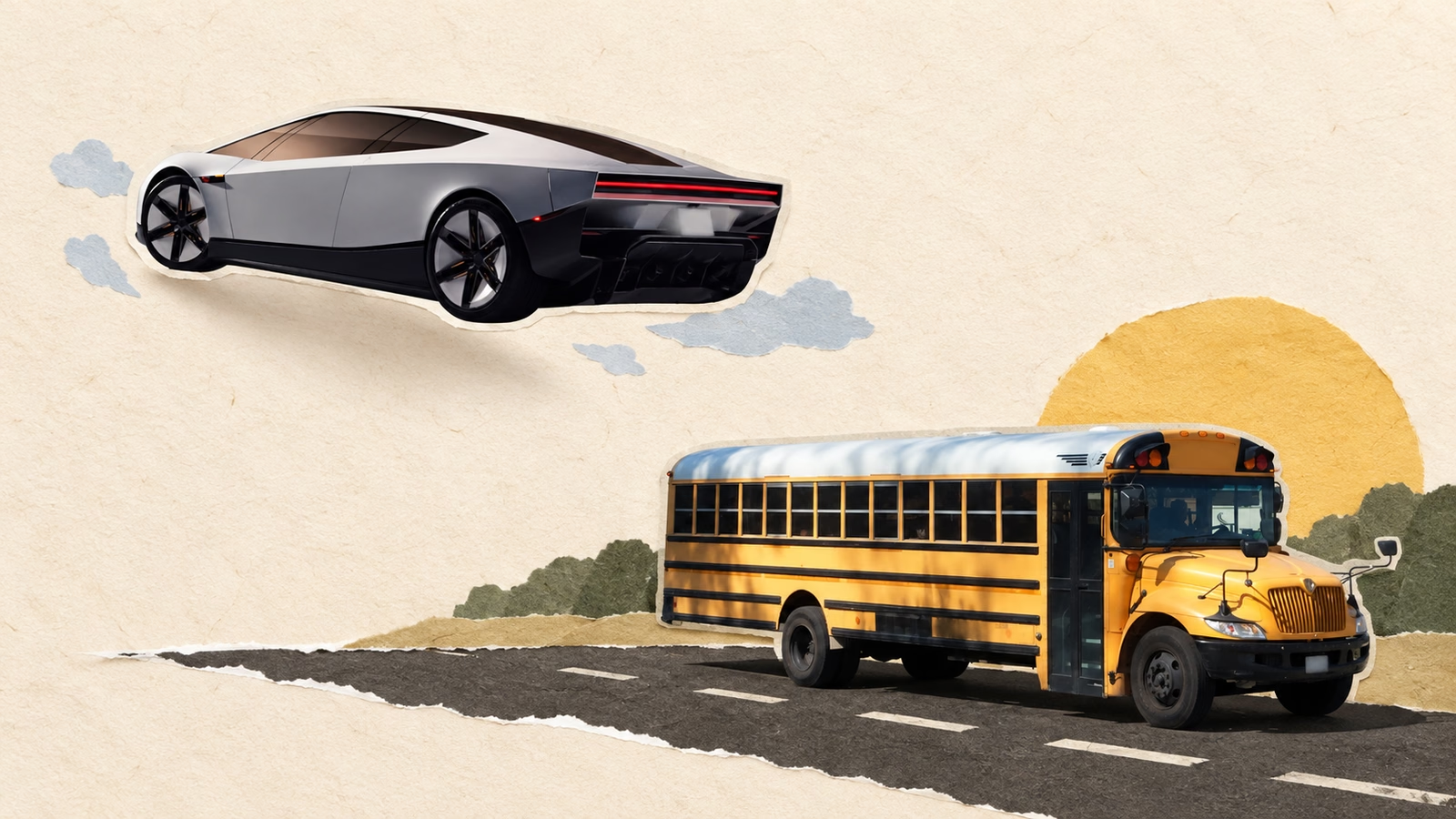
The future of cars isn't flying cars. It's autonomous public transport.
Rocket thrusters on a can with wheels are very cool. But I'd rather have transport that turns up when I need it and gets me there comfortably, preferably with my organs in their original positions.
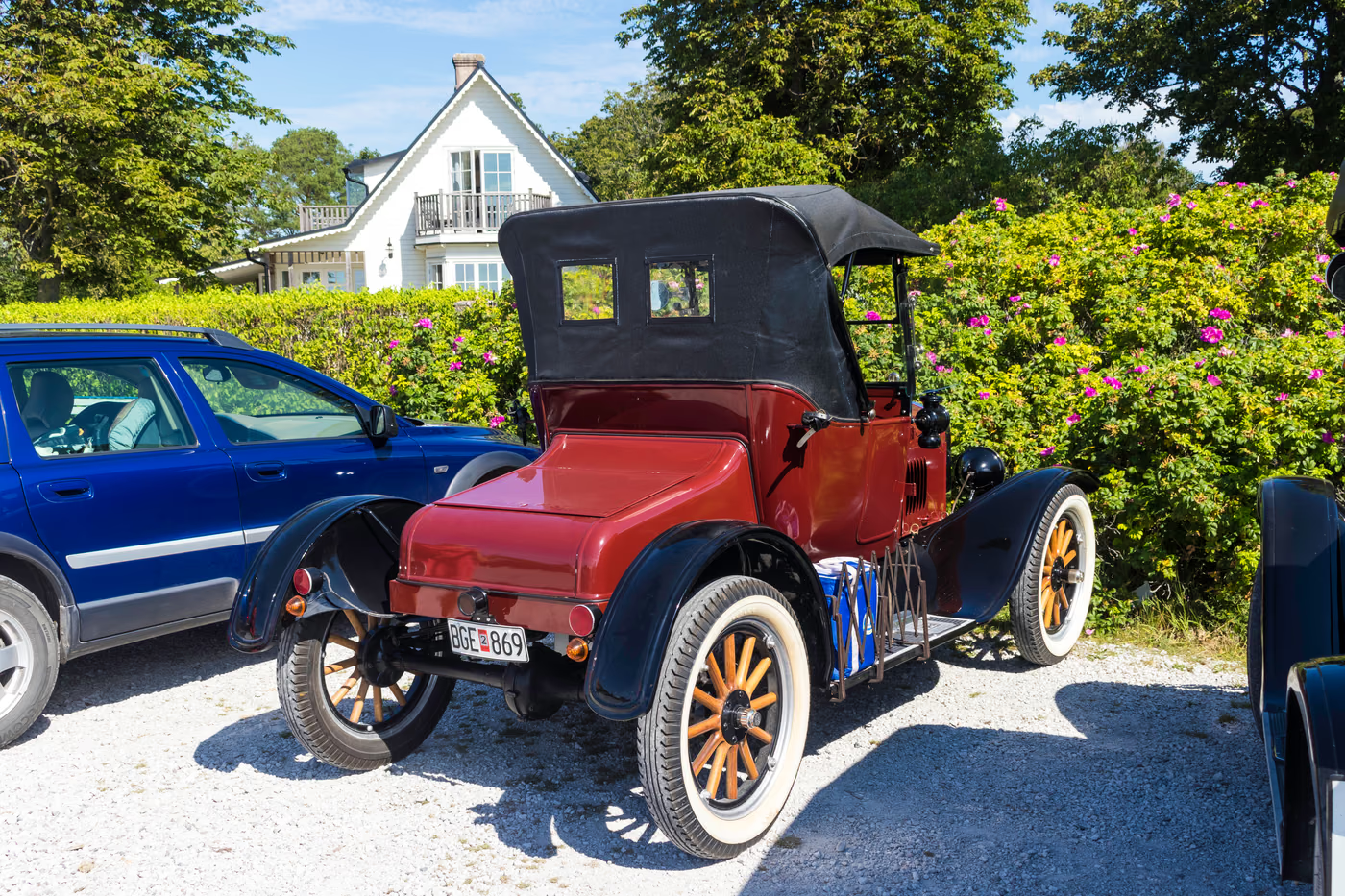
People wanted more horses, and hell, the Ford Model T delivered. Horses under the bonnet, without the inconvenience of feeding them.
For more than a century, people have dreamed of putting more and more horsepower into their vehicles. Cars became status symbols, dressed up with chrome, leather, luxury details and whatever extravagance we could bolt onto them. Getting somewhere was only part of the point. Arriving in something other people would look at became a purpose of its own.

It’s funny how the new (new) Tesla Roadster might be the peak of that whole era. We wanted more horsepower, and now we’re discussing rocket thrusters. Adding rocket thrusters to a can with wheels doesn’t make it a better car; it makes it a torpedo. Just a flex and a marketing trick.
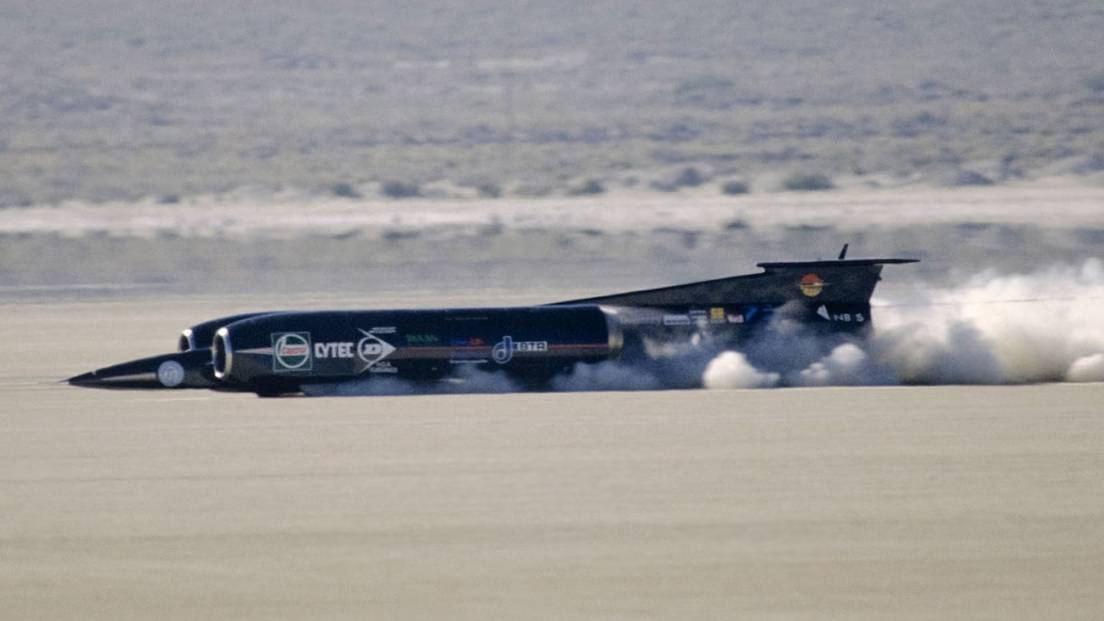
And this isn’t even the first time someone has strapped outrageous propulsion to wheels to chase a speed record. ThrustSSC did it with jet engines in 1997, setting a supersonic land-speed record on Nevada’s Black Rock Desert. An extraordinary engineering achievement, though probably less useful for picking up groceries.

Car culture can feel permanent when you’re living inside it. But compared with how long people have been getting from one place to another, it’s relatively new. I actually think it’s peaking.
What people actually need is a way to get from A to B, preferably as comfortably as possible. In that sense, the future of cars isn’t necessarily the fastest car. It’s the vehicle that’s there when you need it. And that starts sounding a lot like public transport, or, even better, autonomous public transport.
Autonomous vehicles might help us get there. I can imagine simple chassis built around the people inside rather than the person driving, taking you from A to B even when you live somewhere remote. Smaller vehicles where passengers are scattered, with a shared ride turning up when you need it. Bigger vehicles where more people are travelling in the same direction. Fewer cars wasting parking spaces in cities or sleeping in garages. I mean, hello, buses and trams. Some of this future has been waiting at the stop for quite a while.
A fleet of private robotaxis isn’t automatically public transport. The version I want would be affordable, accessible and connected to the rest of the network. Otherwise, we’ve just removed the driver and kept the traffic.
So when Tesla presents a Roadster with cold-gas thrusters, I don’t really get the point. The technology is very cool, but is that enough?
I can imagine a flying ambulance literally jumping over traffic and landing at the hospital. That, at least, sounds useful. Although if the plan involves the same obsession with acceleration, I’d better never get sick…
In the end, we’re just flesh, and flesh has limits. Removing the driver doesn’t remove the passenger’s organs.
Tesla has been planting the idea of autonomous taxis for more than a decade. Its 2016 master plan already described a shared fleet you could summon with your phone. And now we get this flex, which I don’t see adding anything useful to getting around. I suspect we’ll have forgotten about it in a year.
Meanwhile, I’m starting to doubt whether the Roadster announced in 2017 will ever reach customers in the form we were shown. I wouldn’t count on delivery of the new, new version either. The original Roadster did reach customers, and one of those is now flying through space after the 2018 Falcon Heavy launch. Another stunt. Brilliant marketing, again.
But I’m not even sure flying cars or absurdly fast ones are that exciting anymore. We’ve arrived at a future with AI and delivery drones, even if some of those services are still limited to trials. Is another stunt from Musk really going to make much of a dent? Plenty of people can no longer stand him, and Alex Gibney’s new documentary, Musk, takes a critical look at the public image he’s spent years building. I’m not convinced a car briefly leaving the ground is going to win that audience back.
If the ambition is simply to launch a machine on wheels from zero to 100 km/h as violently as possible, I’m not sure “car” is the word we’re looking for anymore.
Maybe we’re reaching the end of an era in what a car means to us. I can imagine losing interest in the gold-plated chassis and finding something far more exciting in the journey itself. If we’re talking luxury, give me a comfortable seat, time back, and the freedom to go somewhere without organising my life around a car.
